
LEMO—AILegislationMonitoring
LEMO helps companies follow legislation and assess how changes may affect their work. We built the web application, source monitoring and AI analysis around the methodology developed by regulatory specialists.
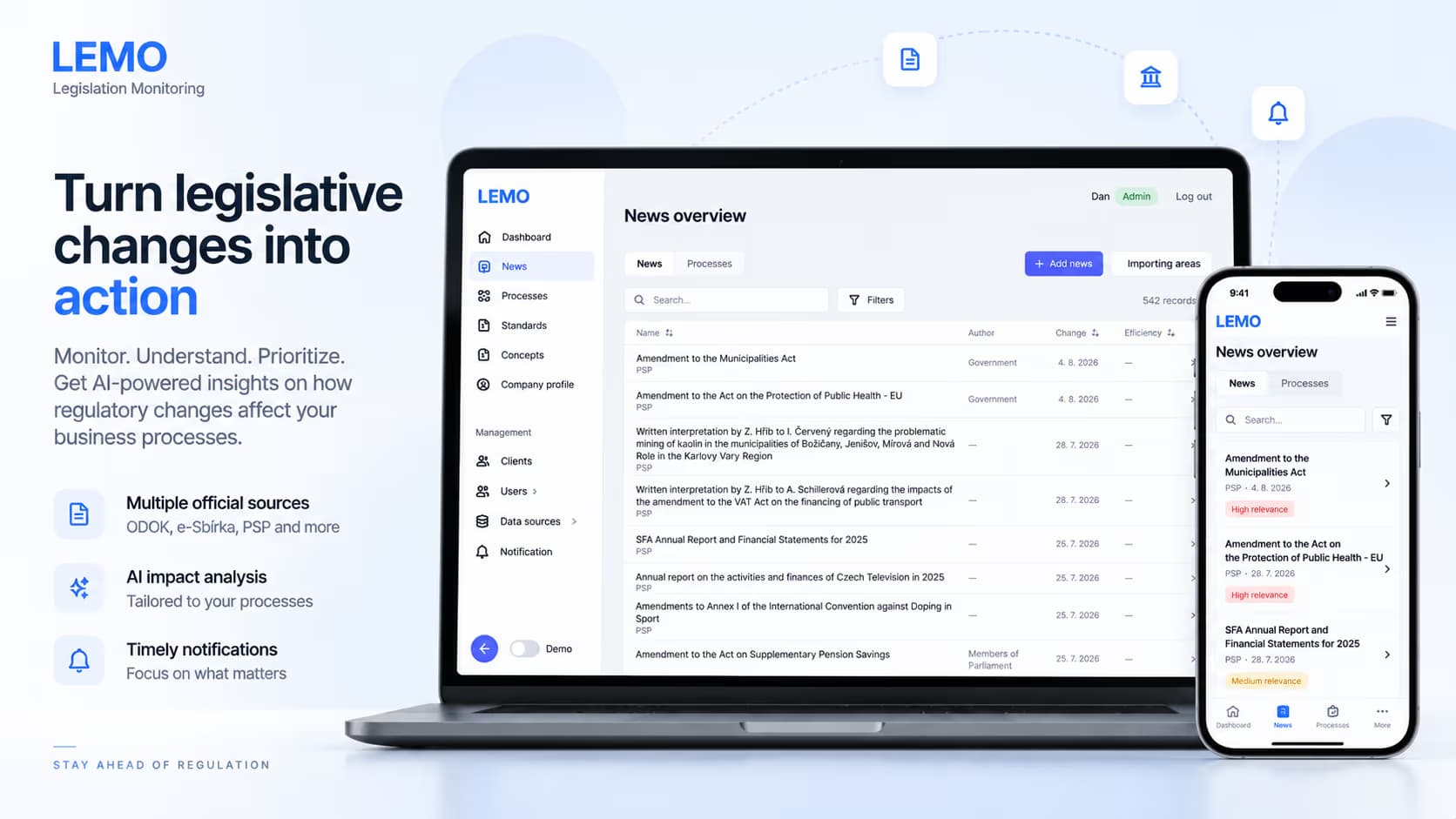
Technology
Monitoringlegislationisonlythefirststep
Regulated companies have to follow new laws, amendments, methodologies, decisions and guidance. The information exists, but it is spread across government systems, parliament, regulators and documents.
Each update needs to be assessed: what changed, whether it applies to the company and which obligations or processes may be affected. Specialists often do this manually, reviewing sources and newsletters to find relevant information.
Source → change → relevance → impact → action
- 01
Official sources
Laws, amendments, guidance and decisions.
- 02
What changed
A structured reading of the development.
- 03
Relevance
Does it touch this organization?
- 04
Impact
Which obligations or processes are affected?
- 05
Action
Who needs to know, and through which channel?
Regulatoryupdatesfrommultiplesources
LEMO brings sources including ODOK/EKLEP, the Chamber of Deputies and e-Sbírka into one environment, together with configurable monitoring of pages, lists, RSS feeds and sitemaps. Incoming information is transformed into a common model and connected with regulations, processes, concepts and source documents.
Each source has different interfaces, identifiers and document formats. We built collection, standardisation and change detection to bring those records into a common format.
- 1
ODOK · Parliament · e-Sbírka · regulatory websites
- 2
Ingestion and change detection
- 3
Normalized regulatory data
- 4
Company-specific analysis
MakinglegaldocumentsusablebyAI
Many source documents arrive as PDF, DOCX or HTML. LEMO extracts their text into a consistent Markdown format, divides it into sections and classifies it before AI analysis.
This gives the analysis stages a consistent input format across different source documents.
- 01
PDF / DOCX / HTML
- 02
Extraction
- 03
Legal Markdown
- 04
Chunking
- 05
Classification
- 06
AI analysis
Fromalegalchangetoitspossiblecompanyimpact
LEMO analyses the change and the company’s processes in separate stages, then combines the results to identify possible effects on the organisation.
- 1
Understand the company
Maps the company’s relevant business processes for review.
- 2
Understand the legislation
Examines the change, its effective date and the regulations it affects.
- 3
Identify affected processes
Identifies affected processes and relates them to the company’s activities.
- 4
Client-specific impact
Describes the possible impact on the company for specialist review.
Specialistscaninspecttheanalysis
LEMO records each analysis run. Administrators can inspect the model used, token consumption, execution steps and output.
Administrators can choose models, adjust instructions and review the suggested process mappings and impacts. AI prepares the initial analysis; specialists assess the results and make decisions.
Regulationorganizedaroundthebusiness
Each company has its own users, monitored regulations, processes and notification settings. AI helps map the processes, and administrators review and approve the configuration.
Scheduled email digests highlight changes relevant to the company. The dashboard shows update volumes over time and their distribution across legal areas and business processes.
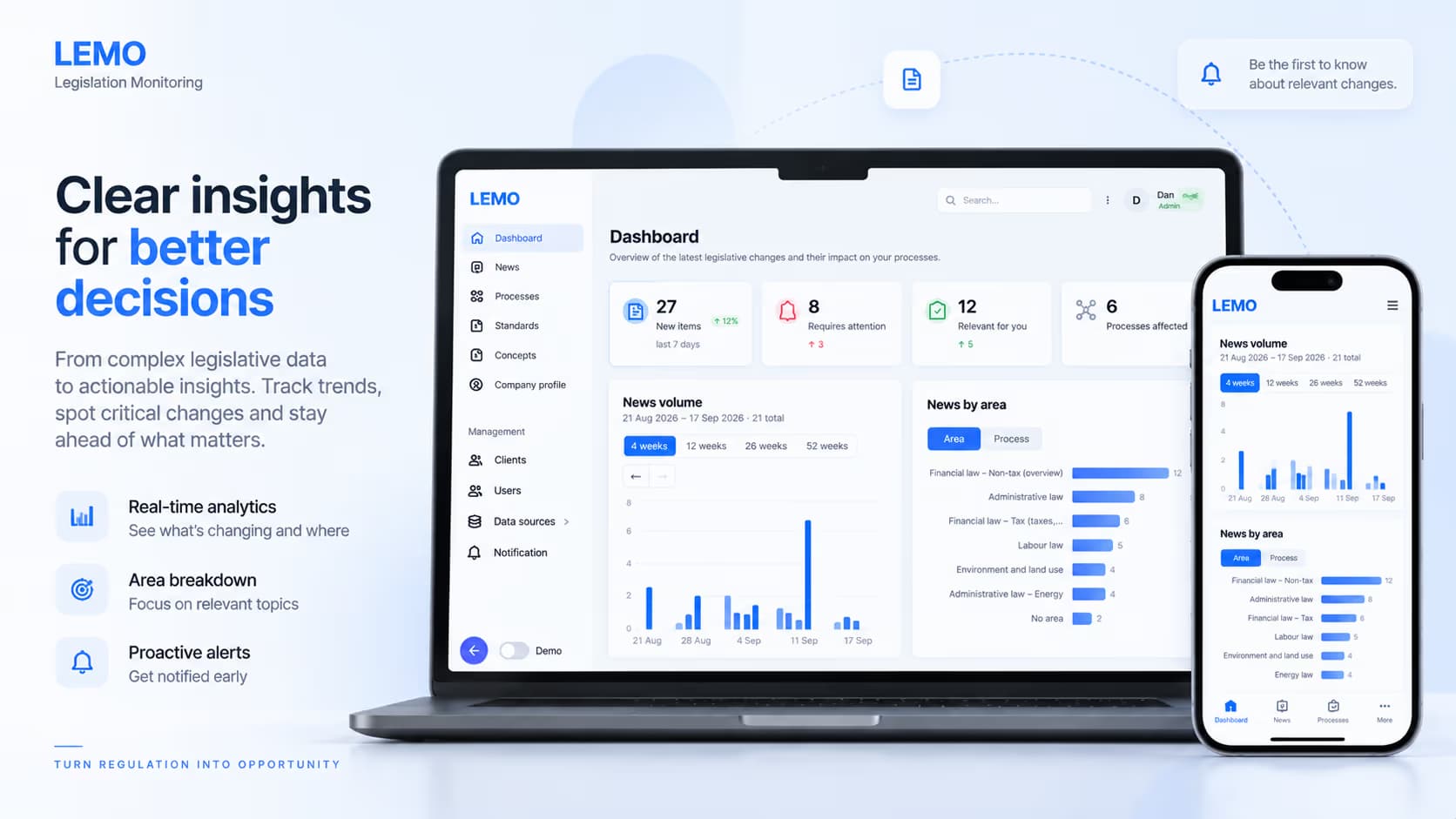
News volume
21 Aug – 17 Sep · illustrative view from the product analytics
News by legal area
Breakdown by legal area in the same illustrative window
- Financial law – non-tax12
- Administrative law8
- Financial law – tax6
- Labour law5
- Environment and land use4
- Administrative law – energy4
- No area2
Afirstdigestbasedonthecompanyprofile
The demo combines passwordless access with an AI interview about the company. LEMO uses the resulting profile and process map to analyse relevant developments and prepare an initial digest.
- 01
AI interview
- 02
Company profile
- 03
Process mapping
- 04
Relevant analysis
- 05
Personalized digest
Fromsourcemonitoringtothecustomerapplication
The platform combines the customer application, administration, source collection, document processing, scheduled monitoring and notifications around a PostgreSQL database. AI agents use the same application data. The Next.js application runs in Docker and is deployed through Coolify.
- 1
Sources
- 2
Data ingestion
- 3
Document processing
- 4
PostgreSQL
- 5
AI agents
- 6
Relevance and impact
- 7
Dashboard and notifications
Devehope’srole
The regulatory methodology comes from specialists. Our work was the technical system around it.
Architecture and SaaS
Product and software architecture, the customer application and multi-client administration.
Sources and documents
Regulatory integrations, scraping, normalization and the document processing pipeline.
AI analysis with specialist review
Multi-stage analysis, company-specific impact mapping and inspection of individual runs.
Production and notifications
Authentication, scheduled digests, Docker deployment and ongoing development.
Legislativeupdatesinthecontextofeachcompany
LEMO collects regulatory updates, processes source documents and links potentially relevant changes to each company’s processes. Legal, compliance and risk teams can review the analysis alongside the source material.
We built the source connections, document processing, AI analysis and review tools as parts of the same application.
Selectedprojects
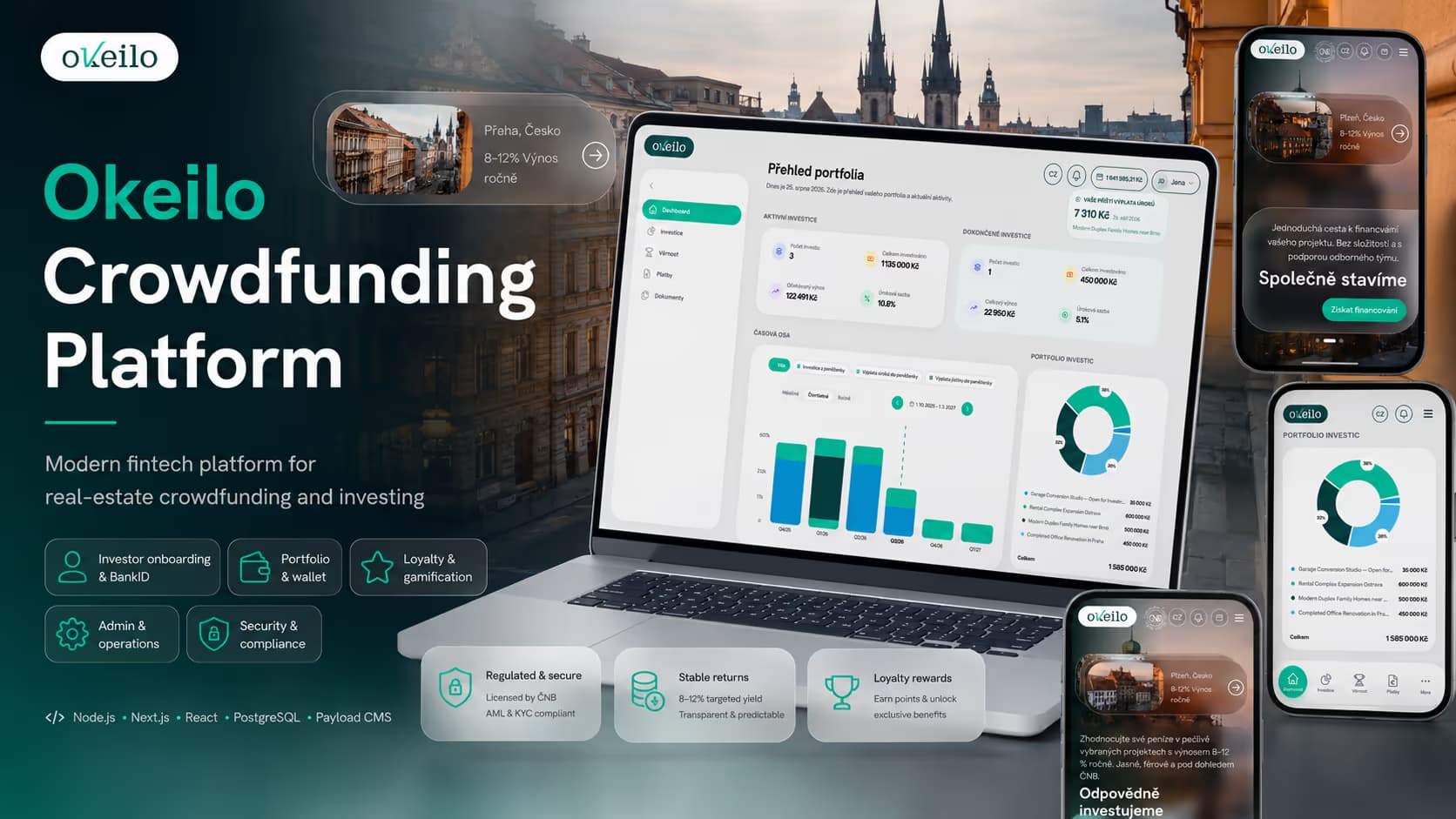
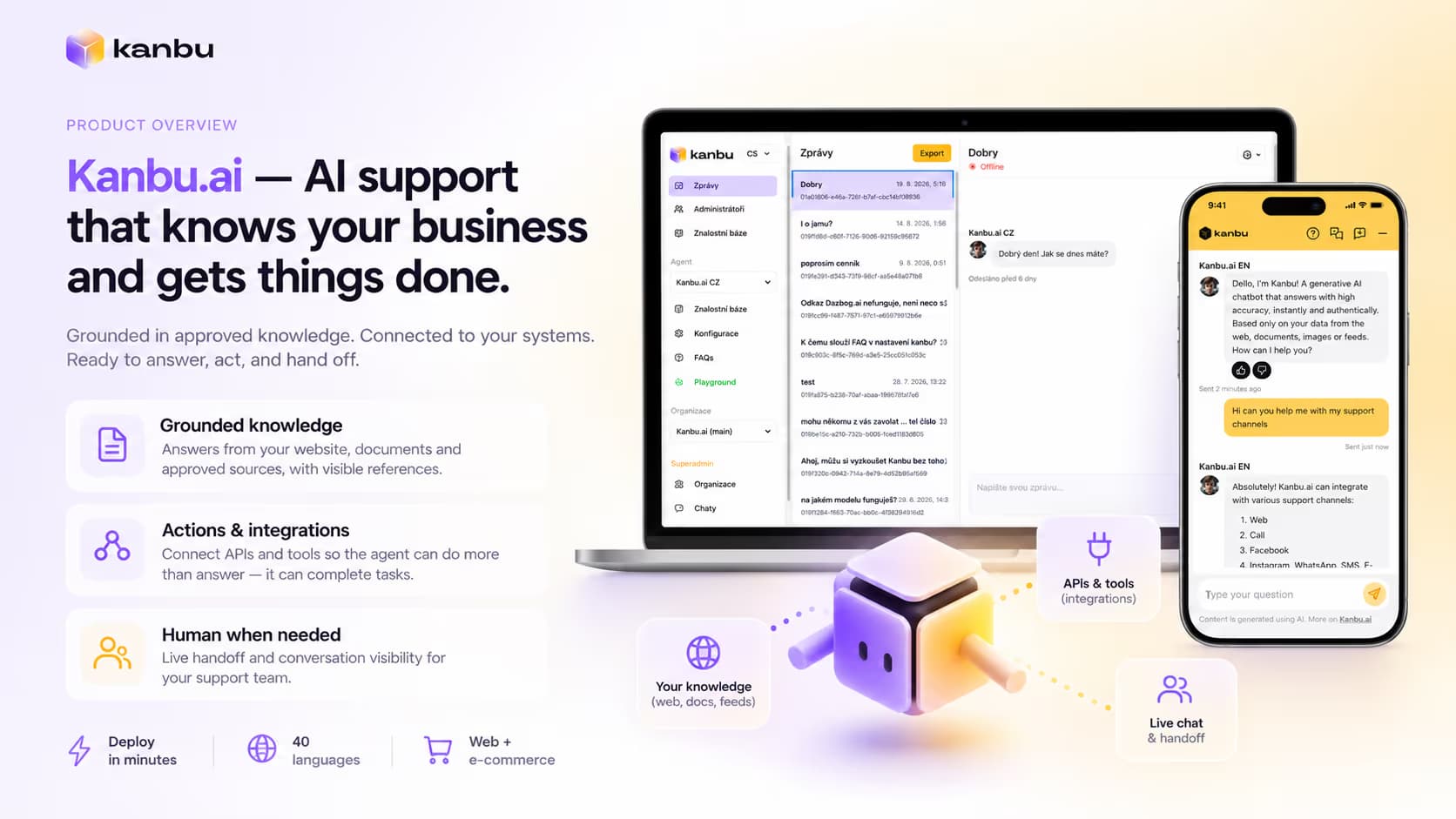
From regulated FinTech and RegTech platforms to AI systems, marketplaces, and large e-commerce ecosystems.




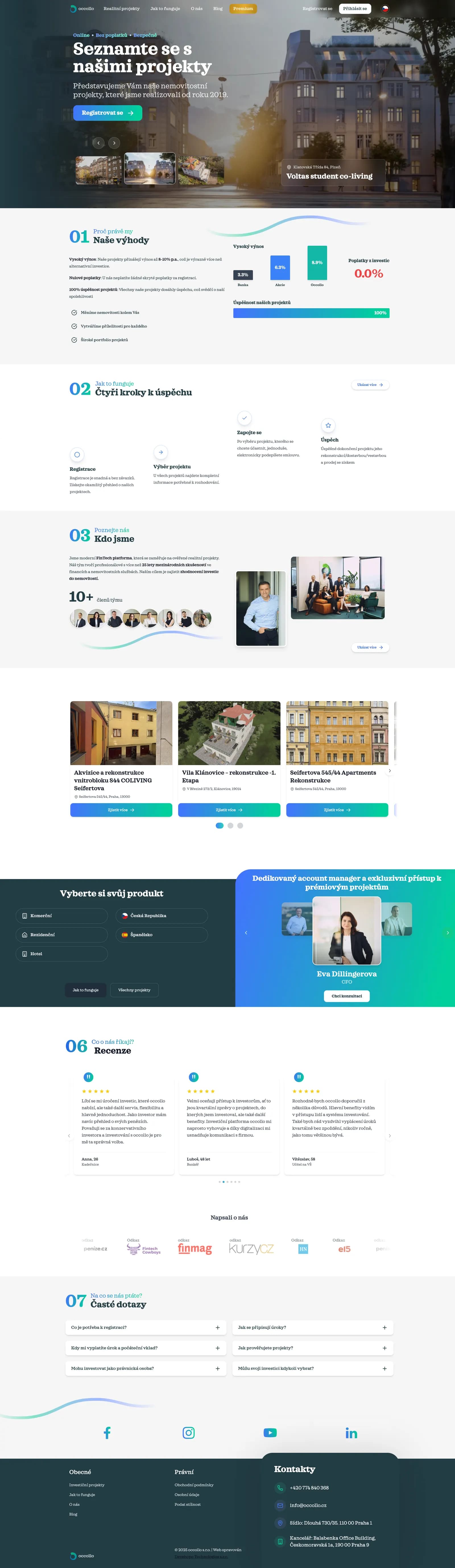
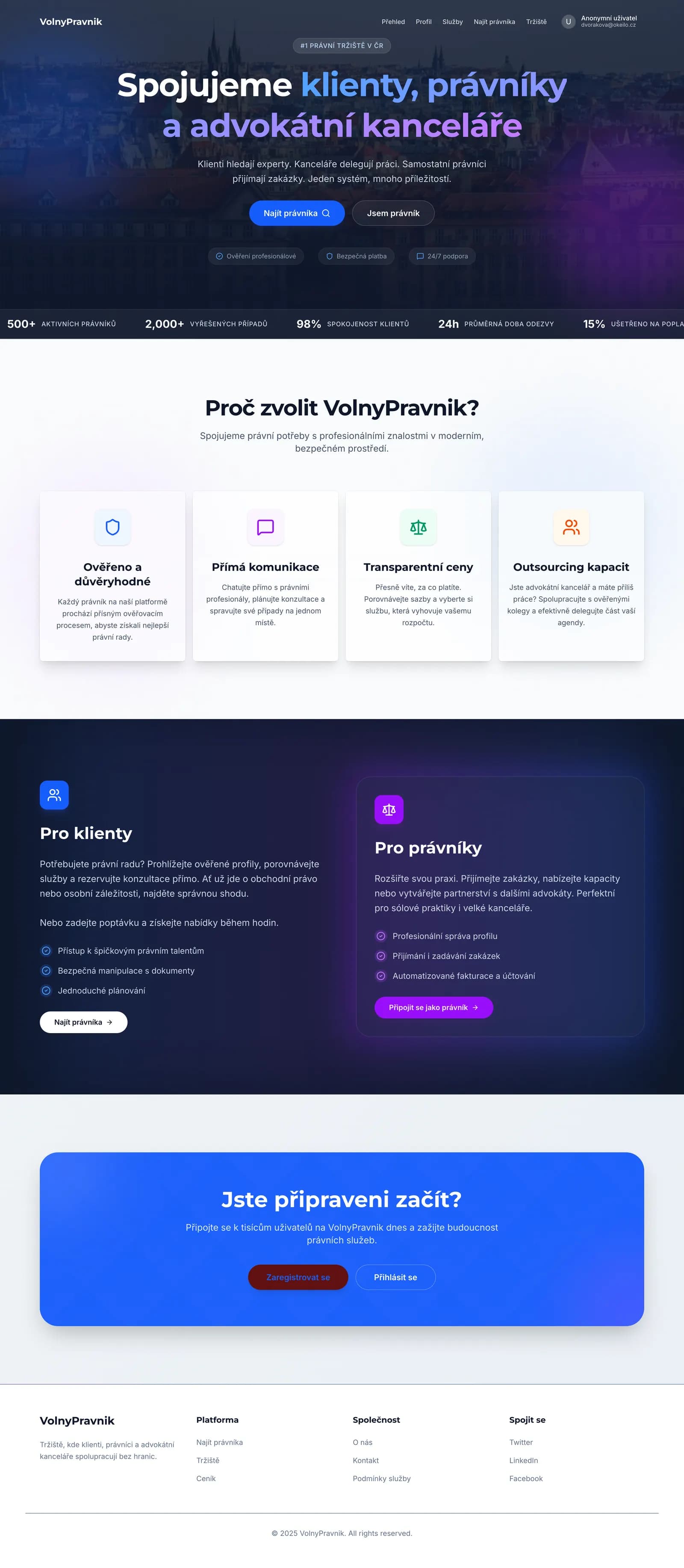
Lawyers Marketplace
Website and marketplace platform for attorneys and law firms